
The Silent Cost of Refrigerant Leaks on Efficiency and Safety
January 5, 2026
Refrigerant leaks are one of the most underestimated threats to HVAC systems, quietly undermining performance long before visible symptoms appear. In both residential and commercial environments, cooling systems rely on refrigerant as the essential medium for absorbing and transferring heat. When even a small amount escapes, the system must work significantly harder to achieve the same level of comfort. Over time, this hidden strain increases energy bills, reduces cooling capacity, and shortens equipment lifespan. Because leaks often develop slowly, they can go unnoticed until extensive damage has already occurred. As energy efficiency becomes a key concern for property owners nationwide, understanding the true impact of refrigerant loss is more important than ever.
Beyond performance, refrigerant leaks pose serious health, environmental, and safety risks. Certain refrigerants can displace oxygen in confined spaces, damage the ozone layer, or contribute to global warming when released. A leak that continues unchecked may even lead to compressor burnout or catastrophic system failure. As HVAC systems become more advanced and climate regulations grow stricter, proper refrigerant management is now a cornerstone of responsible ownership. This blog explores the hidden costs, dangers, and long-term implications of refrigerant leaks—and why early detection is vital for safety and efficiency.
Understanding How Refrigerant Leaks Start
Common Sources of Leaks
Refrigerant does not get “used up” like fuel; it only escapes when there is a breach. Most leaks originate from weak points in the system, including worn service valves, deteriorating copper lines, or corrosion near the indoor evaporator coil. Vibrations from daily operation can loosen connections over time, creating tiny openings that gradually expand. Formicary corrosion, caused by household chemicals, is another frequent source, particularly in older systems.
System Design and Age as Contributing Factors
Older HVAC systems are more vulnerable due to outdated materials and years of thermal expansion and contraction. Even newer systems can leak if installation quality was poor or if mismatched components were used. As systems age, joints weaken, seals dry out, and coils thin, making leaks more likely. This structural aging, combined with normal pressure fluctuations, creates ideal conditions for refrigerant loss.
Efficiency Loss: The Hidden Financial Drain
How Low Refrigerant Reduces Cooling Performance
An HVAC system depends on precise refrigerant levels to function efficiently. When refrigerant levels drop, the system cannot absorb heat effectively. This causes the evaporator coil to operate at lower temperatures, potentially freezing over. The compressor, sensing the reduced cooling output, must run for longer cycles, consuming far more electricity than normal.
Increasing Energy Bills and Operational Strain
A system operating with a small leak may still cool the home, but the energy penalty is immediate and severe. Even a 10 percent drop in refrigerant can cause the system to use 20 percent more energy. Over the course of a cooling season, this inefficiency costs homeowners hundreds of dollars. Commercial facilities see even greater financial impact due to larger HVAC loads and longer operating hours.
Real-World Scenario: The Gradual Decline
Consider a homeowner who notices the AC running longer on hot days but dismisses it as normal. Over time, their utility bills rise, airflow weakens, and humidity increases. Without visible signs of equipment failure, the leak remains undetected. By the time a technician is called, the system may have suffered from frozen coils, reduced compressor lubrication, and excessive wear. What began as a small leak evolves into a multi-component repair or full system replacement.
Safety Risks That Often Go Overlooked
Health Concerns Associated with Refrigerant Exposure
While refrigerants are generally safe when contained within a closed system, exposure in concentrated amounts can be dangerous. In small, enclosed rooms, refrigerant leaks can displace oxygen, leading to headaches, dizziness, or nausea. Technicians are trained to recognize these hazards, but homeowners may not associate these symptoms with a leak.
Environmental Impacts of Leaking Refrigerants
Many refrigerants, including R-22 and R-410A, have high global warming potential. A single leaking system can release enough refrigerant to equal the annual emissions of a car. Although regulations have pushed manufacturers toward lower-impact refrigerants, millions of older systems remain in operation. Unaddressed leaks accelerate environmental damage and can result in regulatory fines for commercial property owners.
System Safety Hazards
Low refrigerant levels force compressors to run hotter and longer, increasing the risk of burnout. A failed compressor is one of the most expensive HVAC repairs and is often the tipping point that leads to full system replacement. In rare cases, certain refrigerant/oil mixtures can create flammable environments, especially in confined mechanical rooms. For this reason, safety standards now require leak detection systems for many commercial applications.
Long-Term System Damage and Repair Costs
Impact on Key Components
Refrigerant leaks are not just efficiency issues—they are mechanical stress multipliers. Low refrigerant results in insufficient lubrication within the compressor, causing bearings and pistons to degrade. The evaporator coil, when starved of refrigerant, may freeze and later thaw, creating moisture that leads to rust and mold growth inside the air handler. Over months or years, damage accumulates until multiple components fail simultaneously.
The Cost of Ignoring Early Warning Signs
When a system runs with a leak, costs compound quickly. What could have been a minor repair, like replacing a valve or soldering a joint, may escalate into a major overhaul. Replacing a compressor alone can cost thousands of dollars, and coil replacement is similarly expensive. Property owners often replace the entire HVAC system to avoid sinking money into an aging unit weakened by years of leaked refrigerant.
Best Practices for Extending System Life
Routine maintenance, annual inspections, and pressure monitoring are essential in preventing premature wear. Modern HVAC systems include sensors that monitor refrigerant levels, allowing technicians to detect issues early. Proactive detection methods, including electronic sniffers, UV dyes, and nitrogen pressure testing, help pinpoint leaks before major damage occurs. Skilled maintenance isn’t just preventative—it adds years to equipment life.
How to Detect and Prevent Refrigerant Leaks
Recognizing Early Warning Signs
Homeowners and facility managers should be aware of early indicators of leaks:
- Reduced cooling capacity
- Ice on refrigerant lines
- Hissing or bubbling sounds
- High indoor humidity
- Unexplained increases in energy bills
While these symptoms may have other causes, they always justify a professional inspection.
Professional Diagnostic Tools and Techniques
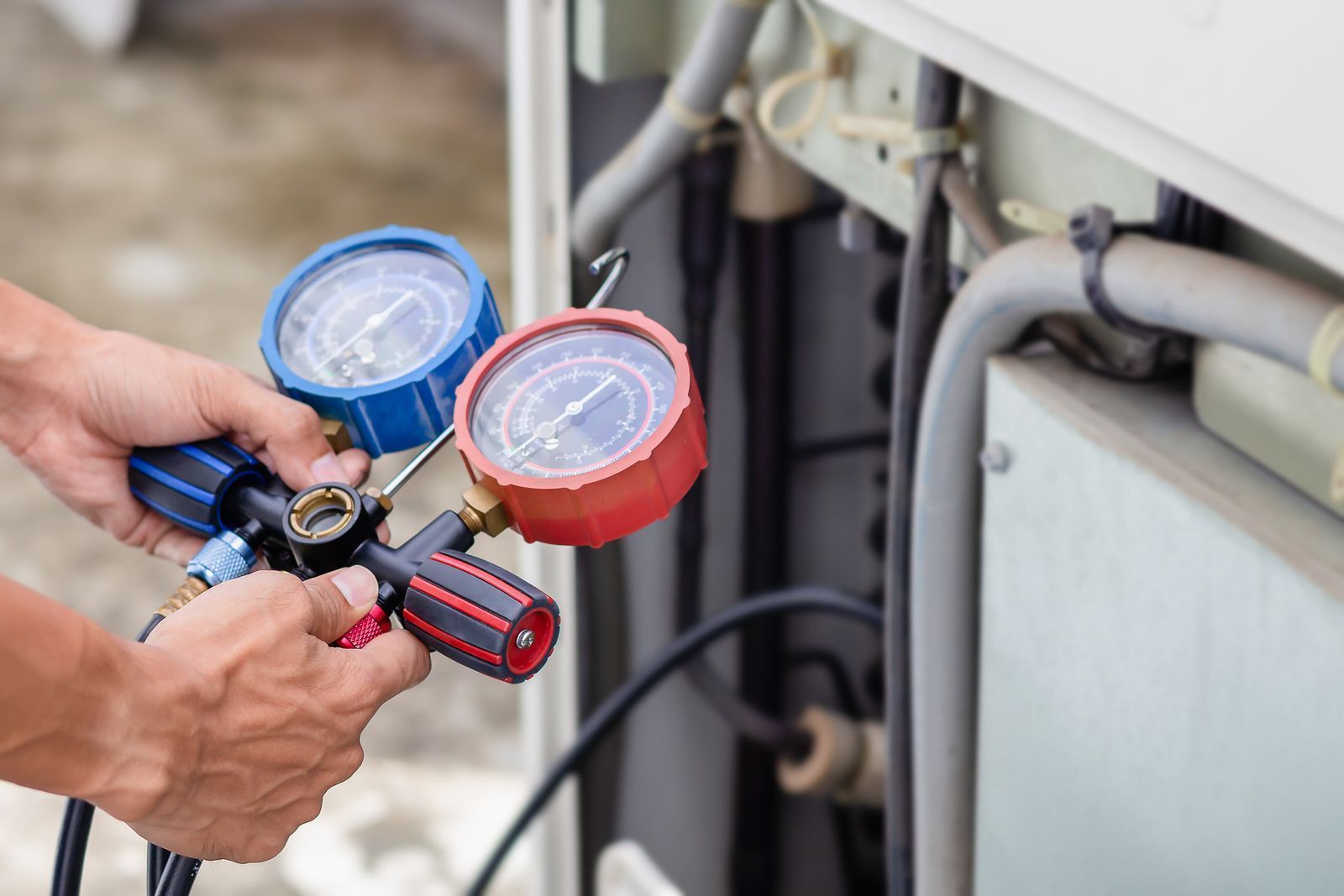
Technicians rely on several diagnostic tools. Electronic leak detectors can identify micro-leaks quickly. UV dyes allow technicians to trace refrigerant paths visually. Nitrogen pressure tests involve safely pressurizing the system to find hidden breaches. These methods ensure accuracy and prevent guesswork, helping prevent recurring issues.
Preventive Maintenance Strategies
Routine servicing is the most effective way to prevent refrigerant issues. Maintenance should include measuring refrigerant charge, inspecting coils, tightening connection points, checking compressor amperage, and cleaning the system for optimal airflow. Proper maintenance not only identifies leaks but reduces the mechanical strain that can cause them in the first place.
The True Cost of Timely Repair vs. Delay
Financial Comparison: Immediate Repair vs. Neglect
When a minor refrigerant leak is repaired early, the cost is manageable. But delaying service leads to higher energy bills, accelerated wear, and far more expensive repairs. Over several months, the cost of running an inefficient system often exceeds the cost of a professional repair. In severe cases, a neglected leak can add thousands to annual operating costs.
Efficiency Gains After Correcting a Leak
Once the system is sealed and recharged, performance improves immediately. Cooling cycles become shorter, humidity control improves, and energy consumption drops. The homeowner benefits from lower bills and restored comfort. For commercial settings, efficient HVAC performance contributes to operational stability and lower facility management expenses.
Why Professional Repair Is Essential
Refrigerant management requires licensed expertise. Proper leak detection, brazing, vacuuming, and recharging follow strict safety and environmental protocols. Attempting DIY repairs can lead to hazardous exposure, incorrect refrigerant levels, and regulatory violations. Professional intervention is the only reliable way to ensure long-term system integrity.
Refrigerant leaks are far more than minor nuisances—they are hidden liabilities that undermine HVAC performance, raise energy costs, jeopardize safety, and shorten system lifespan. When refrigerant escapes, the entire system loses its ability to regulate temperature efficiently, forcing components to work beyond their intended capacity. Early detection and timely intervention are essential to prevent escalating damage, protect indoor comfort, and ensure compliance with environmental standards. Property owners who stay proactive with inspections and maintenance avoid costly repairs while benefiting from consistent efficiency and system reliability.
For homeowners and businesses seeking expert support, professional HVAC care is the most effective defence against the silent damage caused by leaks. A qualified technician ensures the refrigerant system is sealed, balanced, and performing at peak conditions year-round.
Safeguarding HVAC Systems Through Proactive Leak Control
With more than 35 years of industry experience, Warner Heating & Air Conditioning has built a reputation in Riverton, UT as a trusted authority in diagnosing, repairing, and preventing refrigerant leaks. The company understands that refrigerant issues require more than temporary fixes—they demand precise work, deep technical knowledge, and a commitment to long-term system health. Their team is trained to identify leaks quickly using advanced diagnostic tools, ensuring your system is restored to optimal performance without unnecessary downtime.
Warner Heating & Air Conditioning
approaches every service call with a focus on safety, efficiency, and reliability. Whether a system is showing early warning signs of a leak or has suffered significant performance loss, they deliver tailored solutions backed by decades of expertise. Their preventive maintenance programs help homeowners avoid the escalating costs associated with refrigerant loss, extending system life and improving overall comfort. For property owners seeking dependable HVAC support rooted in professionalism and proven results, Warner Heating & Air Conditioning
remains one of the most trusted choices in the region.