
AC Runs but the House Won't Cool in the Afternoon Heat? What's Holding It Back
September 27, 2026
Quick Answer: When an air conditioner holds the temperature fine in the morning but falls behind once the afternoon sun hits, the system is almost never broken in a simple, obvious way — it's losing a margin it barely had to begin with. The three usual suspects are a refrigerant charge that's a few pounds low, airflow that's restricted somewhere between the filter and the outdoor coil, and a system that was sized or is aging in a way that leaves no reserve capacity for peak heat. Every air conditioner is built to cool the air passing through it by roughly 18 to 22 degrees below outdoor temperature, not to hit a fixed indoor number no matter how hot it gets outside, so a home creeping from 72 to 78 between noon and 4 p.m. is often a system running exactly at its limit rather than one failing outright. The fix depends on which of those three categories is actually happening, and that takes a gauge set and a load check, not guesswork.
By ten in the morning the house feels fine. You've checked the thermostat twice, maybe bumped it down a degree just to see, and the air coming out of the vents still feels cool enough. Then two or three o'clock rolls around, the sun swings onto the west side of the house, and the number on the thermostat starts climbing even though the system never stops running. By dinner time you're sitting in a house that's five or six degrees warmer than where you set it, listening to a compressor that sounds like it's working overtime for nothing.
That pattern — fine in the morning, losing ground by mid-afternoon — is one of the more common calls a technician gets in the Salt Lake Valley between June and September. It's also one of the more misunderstood, because most homeowners assume the unit is either working or it's broken, when in practice a system can be running correctly and still lose the fight once the heat load in the house outpaces what the equipment can remove. In a valley like Riverton, Herriman, Bluffdale, or South Jordan, where sun exposure on stucco and shingle roofing builds up through the day and the surrounding benches hold onto that heat well into the evening, afternoon cooling gaps show up even in systems that were working correctly a year ago.
That timing narrows things down more than you'd think. A system that struggles all day long points toward something different than one that's fine at 10 a.m. and failing by 3 p.m. — and that distinction tells a technician something useful before they even open the access panel.
Why the Afternoon Load Is a Different Problem Than the Morning Load
A house doesn't heat up evenly across the day. In the morning, the structure itself is still relatively cool from overnight, direct sun hasn't hit the roof and walls long enough to soak all the way through, and outdoor temperatures are still 15 to 25 degrees below the day's peak. Your air conditioner is working against a modest heat load and it shows.
The Heat Load Compounds Through the Afternoon
By early afternoon, the roof deck has absorbed direct sun for hours, while unconditioned attics can reach 40 to 60 degrees above outdoor temperatures. West-facing windows add more solar heat indoors. The load accumulates steadily, pushing the system beyond its hourly cooling capacity by midafternoon.
Outdoor Temperature Itself Cuts Into Capacity
Every air conditioner is rated for a specific outdoor design temperature. As outdoor temperatures rise, the condenser has less temperature difference available to reject refrigerant heat. A system that holds 72 degrees comfortably at 88 degrees may struggle at 98 or 100 degrees.
Valley Geography Makes This Worse Locally
Homes along the Wasatch Front sit in a basin that can hold heat longer than more open terrain. Riverton, Draper, and Sandy often reach the mid-90s during July and August, while surrounding mountains slow evening cooling, extending the period when air conditioners face their highest loads.
What's Actually Costing the System Its Cooling Power
Once you understand why the afternoon load is heavier, the question becomes which part of the system is failing to keep pace with it. Three categories account for the overwhelming majority of these calls.
A Refrigerant Charge That's a Few Pounds Short
Refrigerant carries heat from your home to the outdoor condenser. A slow leak may still allow reasonable morning cooling, then cause the system to fall behind as afternoon demand rises. Low charge often causes weak cooling rather than complete failure, sometimes with ice or hissing sounds.
Airflow Restricted Somewhere in the Path
A dirty filter, coated evaporator coil, or debris-covered condenser can restrict airflow and reduce heat transfer. Morning loads may hide the problem, but afternoon demand exposes it. Cottonwood, grass, dust, mineral buildup, or nearby landscaping can gradually reduce condenser efficiency and leave the system struggling.
Check the Outdoor Condenser Before Assuming the Worst
On a hot afternoon, check whether air leaving the condenser's top feels noticeably warmer than surrounding air. Look for debris or mineral film covering the fins. Keep at least two feet of clearance around the unit, and never spray water into its electrical compartment.
A System Running With No Reserve Capacity
An air conditioner sized too small for the home's cooling load may handle mild mornings but run out of capacity during peak afternoon heat. Added square footage, changed insulation, sun exposure, or aging equipment can increase demand, leaving an older system without enough cooling margin.
The Ductwork Between the Equipment and Your Living Space
Even a properly charged, properly sized system can lose the afternoon fight if the ductwork carrying that cooled air is working against it, and this is the piece homeowners overlook most often because it's hidden in the attic or crawl space.
Leaky Supply Ducts Waste Cooling
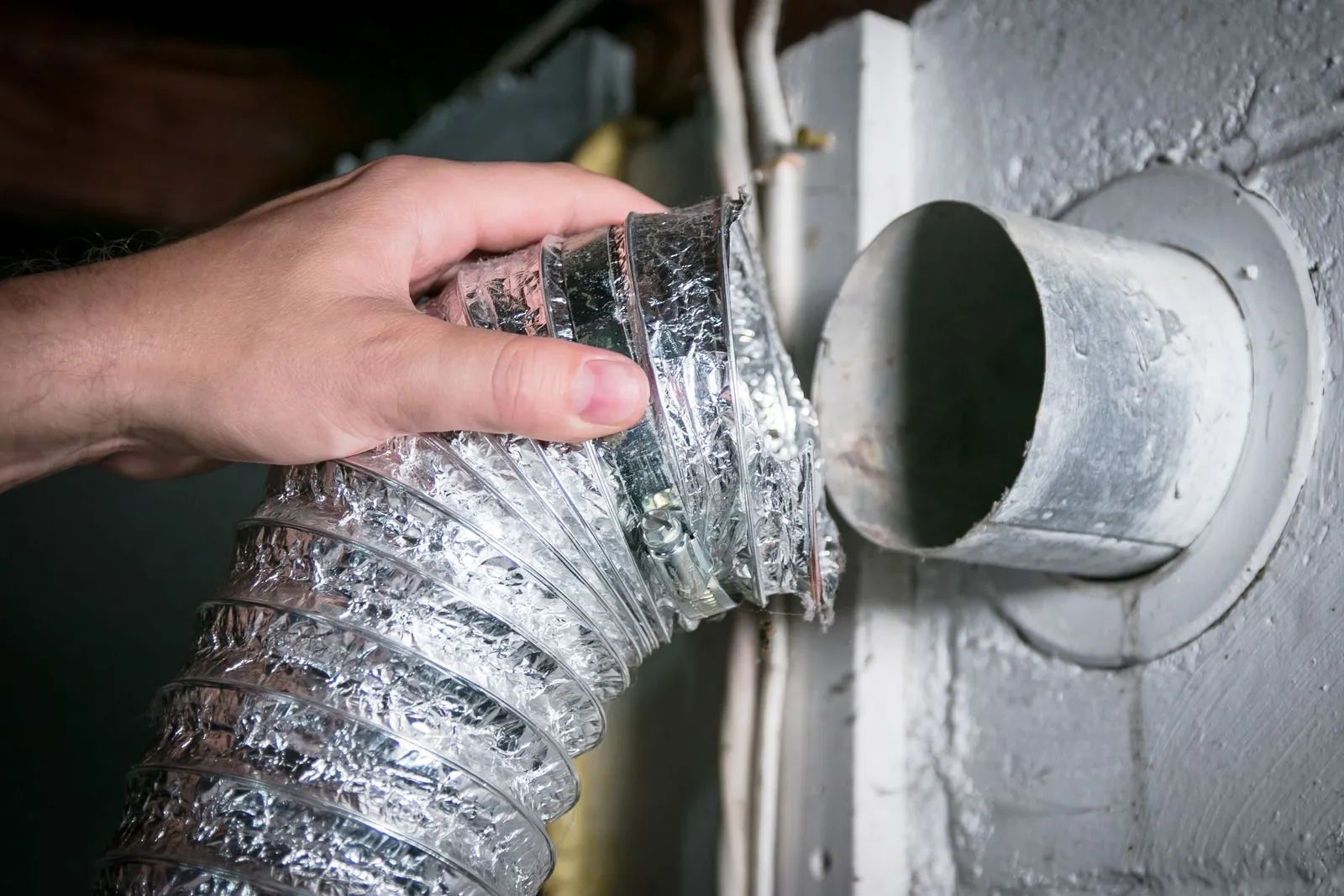
Leaky supply ducts release cooled air before it reaches living spaces. Loose seams, connections, and boots can leak into hot attics, where temperatures may exceed 120 degrees. Homes with untested ductwork can lose significant airflow, forcing the system to work harder during peak afternoon heat.
Poor Return Air Can Starve the System
Undersized or poorly routed return ducts can restrict how much air the system pulls back through the house. Without adequate return airflow, the system cannot circulate enough cooled air, even when refrigerant levels and components are healthy. The result is often continuous operation without catching up.
Duct and Attic Insulation Matter
Insulation around ductwork and across the attic floor limits heat transfer into cooling ducts. Older Wasatch Front homes may have settled or undersized insulation, while newer construction is typically tighter. Utah's dry climate reduces humidity demand, but poorly insulated ducts still absorb substantial afternoon heat inside superheated attics.
When It's a Frozen Coil, Not a Weak One
One symptom deserves its own explanation because it's counterintuitive: an evaporator coil that ices over will make the house feel warmer, not cooler, even though ice is forming inside the unit.
Sounds backwards. It isn't.
When airflow across the indoor coil is too restricted — from a filthy filter, closed vents, or a coil already coated in dust — the coil surface gets cold enough to freeze the moisture in the air passing over it. Once ice starts forming, it insulates the coil from the airflow even further, which accelerates the problem. In the morning, with a lighter load, a marginal system might run without icing. By afternoon, with the compressor working harder and longer cycles, that same marginal airflow condition tips over into ice formation, and the warm air you feel at the vents by 3 p.m. is a direct result of a coil that's iced over rather than cooling.
Warning: If you notice ice on the refrigerant lines or hear the system running but feel only weak, warm airflow at the vents, turn the thermostat to "off" and leave the fan on to let the coil thaw completely before running the compressor again. Continuing to run a system with an iced coil can flood liquid refrigerant back into the compressor, which is one of the more expensive ways to turn an afternoon airflow problem into a full compressor replacement.
Why Diagnosing the Actual Cause Matters More Than Guessing
It's tempting to treat "AC struggles in the afternoon" as one problem with one fix. It isn't. The three or four real causes behind it call for different repairs, and getting the diagnosis wrong wastes both time and money. Adding refrigerant to a system that's actually suffering from a duct leak buys a few days of marginal improvement before the underlying gap reopens. Cleaning a filter on a system that's actually undersized for the home helps a little without solving the afternoon crash. A proper diagnostic checks static pressure across the air handler, verifies refrigerant charge and subcooling against the manufacturer's specification, and inspects the duct system and coil condition together, because these systems interact — a slightly low charge combined with a slightly dirty coil combined with a slightly leaky duct run can each be minor on their own and still add up to a real afternoon shortfall once you stack them together.
The elevation along the Wasatch Front, generally 4,300 to 4,600 feet through the Salt Lake Valley, also plays a quieter role. Thinner air at altitude moves across coils and through ductwork with slightly different pressure characteristics than at sea level, which is one more reason a system that was tuned and charged correctly elsewhere might not perform to spec here without adjustment specific to your elevation and equipment.
Frequently Asked Questions
Why does my AC cool the house fine in the morning but not in the afternoon?
The house absorbs heat all day from sun, hot attics, and rising outdoor temperatures. A system short on refrigerant, airflow, or reserve capacity keeps up in the morning but falls behind once peak load arrives.
Is it normal for my house to be a few degrees warmer than the thermostat setting on a very hot day?
To a point, yes. Most units cool air about 18 to 22 degrees below the outdoor temperature, not to a fixed number. Mid-to-high 70s on a 100-degree afternoon can be normal. Past 80 signals trouble.
Could dirty ductwork or attic insulation really cause an afternoon-only cooling problem?
Yes, more often than homeowners expect. Duct leaks bleed the most air when attic temperatures peak, and thin insulation lets superheated attic air into the ducts, so a small issue becomes a real afternoon problem.
How do I tell the difference between low refrigerant and a dirty condenser coil?
A technician reads the gauges. Low refrigerant shows abnormal subcooling, superheat, and low pressures. A dirty coil shows high head pressure with correct charge. A dusty, film-coated condenser points toward the airflow explanation visually.
Does my system need to be a bigger size to handle Utah's afternoon heat?
Not necessarily, since oversizing causes short cycling and humidity problems. What matters is correct original sizing and retained capacity. Added windows, square footage, or an aging unit can create a shortfall without the sizing being wrong.
Should I keep running my AC if it's struggling to keep up in the afternoon, or turn it off?
If the vents still feel cool while the house slowly loses ground, keep running it and schedule a diagnostic. If airflow feels weak or you see ice on the lines, shut the compressor off immediately.
Reading What Your Afternoon Cooling Gap Actually Means
An air conditioner that carries the morning and then loses its footing by mid-afternoon is pointing at a margin problem rather than a broken part. The timing itself narrows it down: a charge that runs a little short, airflow that gets choked somewhere in the path, ductwork bleeding cooled air into a superheated attic, or equipment that no longer holds the reserve it once did. Each of those hides until the peak load of the day finally exposes it.
Warner Heating & Air Conditioning
has spent 35
years working these same afternoon cooling gaps throughout Riverton, UT, where valley heat lingers long past the point most systems were built to fight. That kind of history matters here because the fix depends on measuring pressures, checking static airflow, and inspecting duct runs together rather than swapping one part and hoping the house catches up. A cooling shortfall that shows up on schedule almost always has a specific cause waiting to be found.