
How Proper Ductwork Improves Your Home’s Air Quality and Efficiency?
June 4, 2026
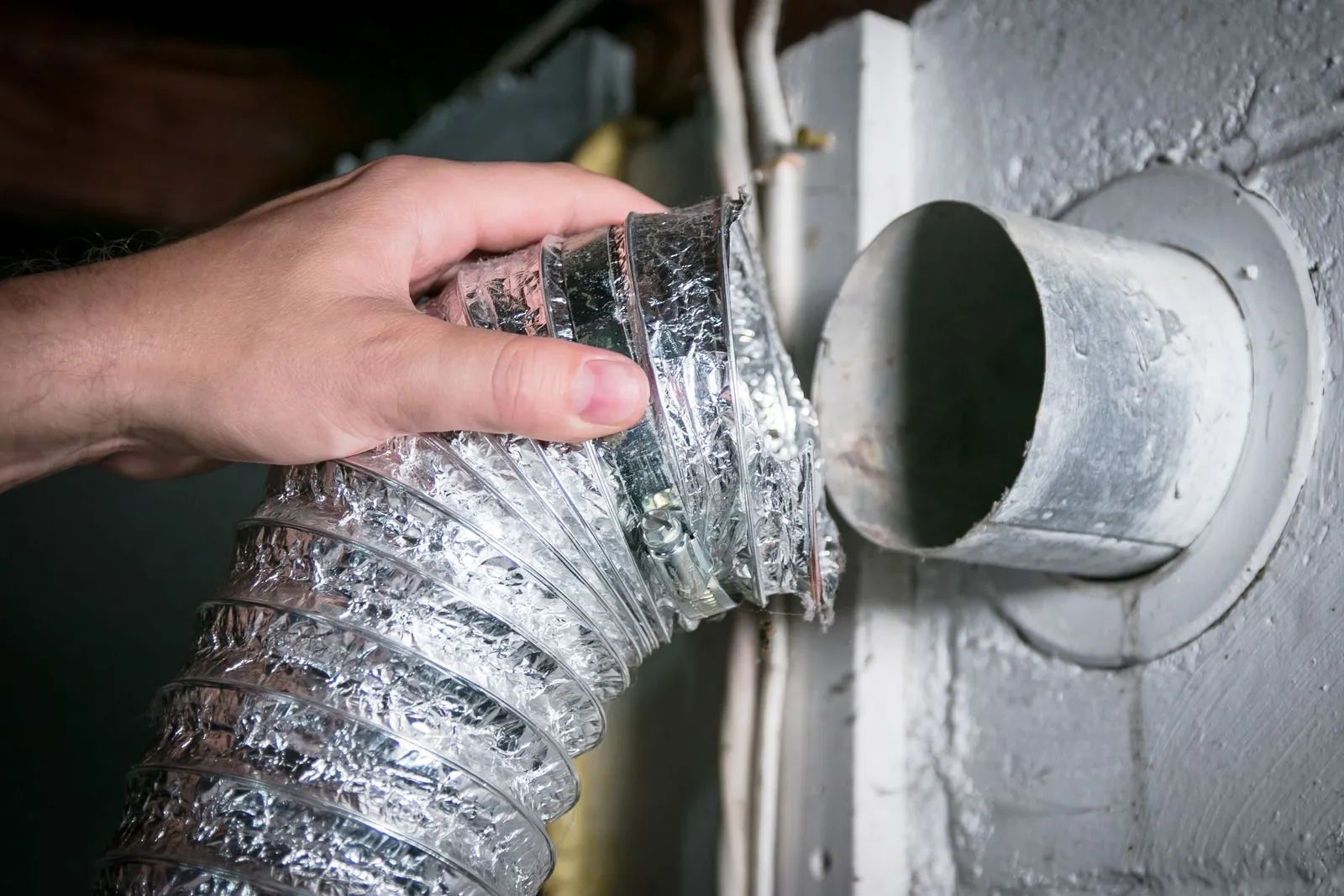
The performance of any heating and cooling system depends on more than the equipment itself. While homeowners often focus on furnaces, air conditioners, thermostats, and air filters, the ductwork hidden behind walls, ceilings, and floors plays an equally important role. Ducts serve as the delivery network that distributes conditioned air throughout a home. When ductwork is properly designed, sealed, insulated, and maintained, it helps create a healthier indoor environment while supporting consistent comfort in every room. However, damaged, poorly installed, or aging ducts can reduce airflow, allow contaminants to circulate, and force HVAC systems to work harder than necessary. These issues can negatively impact both indoor air quality and energy consumption.
As homeowners become increasingly aware of indoor environmental health and rising utility costs, proper ductwork has become a critical topic within the HVAC industry. Modern homes rely on efficient air distribution systems to maintain comfort while minimizing wasted energy. Whether dealing with uneven temperatures, excessive dust, poor airflow, or increasing energy bills, ductwork often plays a significant role in the underlying problem. Understanding how duct systems influence air quality and efficiency allows homeowners to make informed decisions about maintenance, repairs, and upgrades. Investing in well-designed ductwork supports healthier living conditions, improved HVAC performance, and long-term savings while helping create a more comfortable home throughout the year.
Understanding the Role of Ductwork in Home Comfort
What Ductwork Does Within an HVAC System
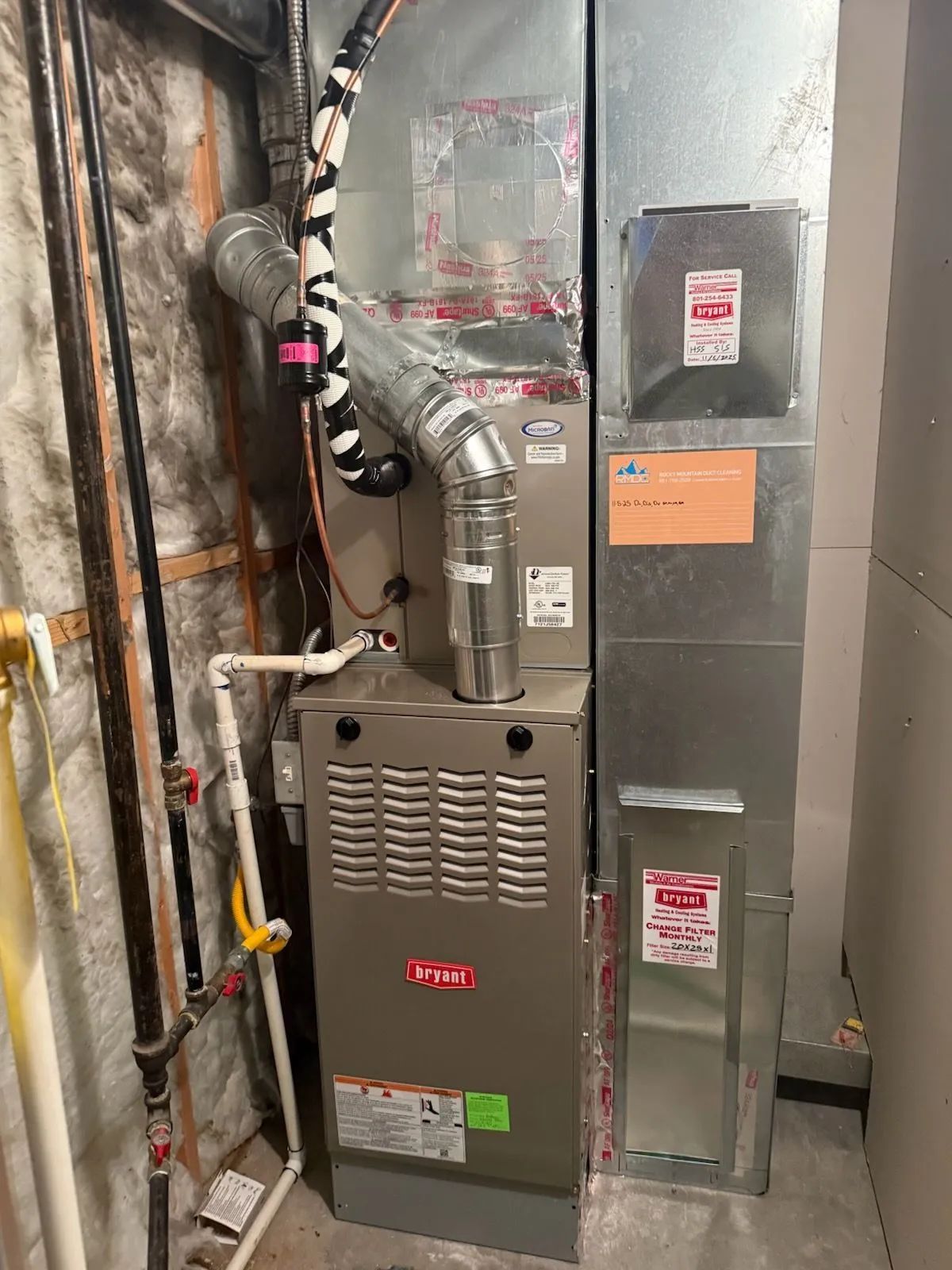
Ductwork functions as the transportation system for conditioned air. After air is heated or cooled by HVAC equipment, it travels through a network of supply ducts to various rooms. Return ducts then carry air back to the system for reconditioning and filtration.
This continuous cycle ensures that indoor temperatures remain comfortable while maintaining proper airflow throughout the home. Without a properly functioning duct system, even the most advanced HVAC equipment cannot perform at its full potential.
Why Proper Air Distribution Matters
Balanced air distribution affects every aspect of indoor comfort. When airflow is evenly distributed, homeowners experience:
- Consistent temperatures throughout the house
- Reduced hot and cold spots
- Improved humidity control
- Better air circulation
- Enhanced HVAC performance
For example, a second-floor bedroom that remains warmer than the rest of the home may not necessarily indicate a problem with the air conditioner. In many cases, restricted or improperly sized ductwork limits airflow to that area.
Common Ductwork Problems
Several issues can reduce system performance:
- Leaky duct connections
- Crushed or disconnected ducts
- Poor duct design
- Inadequate insulation
- Excessive bends or restrictions
- Improper sizing
Identifying and correcting these problems can significantly improve both comfort and system efficiency.
How Proper Ductwork Improves Indoor Air Quality
Preventing Contaminant Infiltration
One of the most important benefits of properly sealed ductwork is preventing contaminants from entering the air distribution system. Leaks in ducts can draw pollutants from attics, crawl spaces, basements, and wall cavities.
These pollutants may include:
- Dust
- Mold spores
- Pollen
- Insulation particles
- Pet dander
- Construction debris
Once these contaminants enter the duct system, they can circulate throughout the home and affect indoor air quality.
A well-sealed duct system minimizes this risk and helps ensure that conditioned air remains cleaner as it moves through the home.
Supporting Effective Filtration
Air filters are designed to capture airborne particles before air enters HVAC equipment. However, leaky ducts can bypass this filtration process by allowing unfiltered air to enter downstream from the filter.
Proper duct sealing helps ensure that air passes through designated filtration systems as intended. This improves the effectiveness of filters and contributes to healthier indoor air.
Reducing Dust Accumulation
Many homeowners struggle with excessive dust despite regular cleaning. Leaky ductwork often contributes to this problem by pulling dust from unconditioned areas and distributing it throughout living spaces.
When ducts are properly sealed and maintained, less dust enters the air circulation system. As a result, surfaces remain cleaner, and homeowners may notice reduced dust buildup over time.
Creating a Healthier Living Environment
Good indoor air quality is especially important for individuals who experience allergies, asthma, or respiratory sensitivities. Proper ductwork helps reduce airborne irritants by preventing contamination and supporting efficient filtration.
Cleaner indoor air contributes to greater comfort and may reduce exposure to common indoor pollutants that affect daily living.
The Connection Between Ductwork and Energy Efficiency
Eliminating Conditioned Air Loss
Energy loss through duct leaks represents one of the most common sources of HVAC inefficiency. When conditioned air escapes before reaching intended rooms, the system must work harder to maintain desired temperatures.
Even small leaks can result in substantial energy waste over time.
For example, cooled air leaking into an attic during summer provides no comfort benefit while increasing utility costs. Proper sealing helps ensure that conditioned air reaches occupied spaces rather than being lost in unconditioned areas.
Reducing HVAC System Workload
When airflow is restricted or leaking, HVAC equipment operates longer to compensate for reduced performance. This additional workload increases energy consumption and accelerates equipment wear.
Proper ductwork allows air to move efficiently throughout the system, reducing strain on components and helping maintain optimal operating conditions.
Improving Temperature Consistency
Uneven temperatures often cause homeowners to adjust thermostats frequently. Raising or lowering settings to compensate for uncomfortable rooms can increase energy use.
Well-designed duct systems distribute conditioned air more evenly, reducing the need for constant thermostat adjustments and supporting more efficient operation.
Lowering Monthly Utility Costs
Many homeowners are surprised to discover how much duct improvements can affect energy bills. Sealing leaks, correcting airflow issues, and improving insulation can lead to measurable savings over time.
Because HVAC systems represent a significant portion of household energy consumption, improving duct efficiency often delivers noticeable financial benefits.
Best Practices for Proper Duct Design and Installation
Accurate Sizing Matters
Duct sizing is one of the most important aspects of HVAC design. Ducts that are too small restrict airflow, while oversized ducts may create pressure imbalances and reduce system performance.
Professional calculations help determine the appropriate size based on factors such as:
- Home square footage
- HVAC capacity
- Room layout
- Occupancy requirements
- Insulation levels
Proper sizing ensures balanced airflow throughout the home.
Strategic Duct Layout Planning
A well-designed layout minimizes airflow resistance and maximizes efficiency.
Best practices include:
- Reducing unnecessary bends
- Limiting long duct runs
- Positioning vents strategically
- Maintaining balanced airflow pathways
Thoughtful planning supports better system performance and improved comfort.
Sealing Connections Properly
Every connection point presents an opportunity for air leakage. Professional installation typically includes sealing joints and seams using approved materials.
Proper sealing helps maintain airflow integrity while preventing conditioned air loss.
Insulating Ductwork
Duct insulation helps maintain air temperature as it travels through unconditioned spaces such as attics, garages, and crawl spaces.
Without insulation, conditioned air can gain heat during summer or lose heat during winter before reaching living areas.
Insulated ducts improve energy efficiency while supporting consistent indoor comfort.
Maintenance and Upgrades That Enhance Performance
Regular Duct Inspections
Routine inspections help identify problems before they become costly repairs. Professional evaluations can detect:
- Air leaks
- Damaged sections
- Loose connections
- Mold concerns
- Airflow restrictions
Early detection often prevents larger system issues.
Duct Cleaning When Necessary
While not every home requires frequent duct cleaning, certain situations may justify professional service.
Examples include:
- Recent renovations
- Excessive dust accumulation
- Pest infestations
- Mold contamination
- Significant debris buildup
Cleaning can improve airflow and remove contaminants that affect indoor air quality.
Upgrading Older Duct Systems
Older homes often contain duct systems that no longer meet modern efficiency standards. Aging materials, poor design practices, and decades of wear can reduce performance.
Upgrading outdated ductwork may improve:
- Airflow balance
- Energy efficiency
- Indoor comfort
- Air quality
- Equipment longevity
Modern duct materials and installation methods provide substantial performance advantages.
Combining Duct Improvements with HVAC Upgrades
Many homeowners replace HVAC equipment without evaluating existing ductwork. However, new equipment connected to inefficient ducts may never achieve expected performance levels.
Addressing ductwork during HVAC upgrades helps maximize investment value and supports long-term system efficiency.
Reliable Air Quality Improvements Through Professional Ductwork
Proper ductwork serves as the foundation of a healthy, comfortable, and energy-efficient home. While HVAC equipment often receives the most attention, the duct system plays a critical role in delivering conditioned air, maintaining indoor air quality, and supporting overall system performance. Leaks, poor design, inadequate insulation, and aging materials can compromise comfort while increasing operating costs. By investing in proper installation, regular maintenance, and timely upgrades, homeowners can improve airflow, reduce contaminants, lower energy consumption, and protect valuable HVAC equipment. A well-functioning duct system supports better living conditions while helping maximize the return on HVAC investments.
For homeowners seeking professional guidance, Warner Heating & Air Conditioning
provides trusted HVAC expertise backed by 35
years of industry experience. Serving Riverton, UT, we understand the critical role ductwork plays in maintaining healthy indoor air and efficient system performance. Our commitment to quality workmanship, detailed evaluations, and customer-focused solutions allows us to address airflow challenges, duct repairs, system upgrades, and efficiency improvements with confidence. We take pride in helping homeowners achieve greater comfort, cleaner indoor air, and lower energy costs through proven HVAC practices. Whether addressing aging ductwork, improving airflow balance, or supporting a complete HVAC upgrade, we provide knowledgeable service built on decades of hands-on experience and dedication to long-term customer satisfaction.